Research Article
Morphometric and Meristic Differentiation of Three Estuarine Fish Species Across the Benin, Brass and Escravos Estuaries, Niger Delta, Nigeria 
 ,
Nwachi O.F.2
 ,
Ekelemu J.K.2
2 Department of Fisheries and Aquaculture, Delta State University, P.M.B. 1, Abraka, Delta State, Nigeria
Author Correspondence author
International Journal of Aquaculture, 2026, Vol. 16, No. 5
Received: 26 Aug., 2026 Accepted: 10 Oct., 2026 Published: 22 Oct., 2026
The present study examined morphometric and meristic differentiation of three estuarine fishes from the Niger Delta, Nigeria namely Lutjanus agennes, Pseudotolithus senegalensis and Polydactylus quadrifilis collected from the estuaries of Benin, Brass and Escravos. One sample of each species was taken from each estuary. The morphometric characters were examined in a total of 1,215 specimens (405 per species) and meristic characters were examined in 60 specimens per species from the estuarine populations. Species-specific allometric relationships were used to adjust the 11 morphometric measurements and these were compared using Welch’s ANOVA and Games-Howell post hoc tests. Multivariate differentiation between species was assessed by canonical discriminant analysis (CDA) and separate PCA was used for each species. Kruskal-Wallis and Dunn's tests with Bonferroni adjustment were used to compare the meristic characters. Allometric relationships were significant (p < 0.001) and R² values were between 0.744 and 0.999. The differences among the species for all the adjusted morphometric characters were significant (p < 0.001). PCA uncovered a number of morphological patterns per species, and CDA clearly separated individuals in multivariate space. There were significant differences in six meristic characters (p < 0.001). Information obtained from these findings is helpful for comparative species characterisation and species identification.
1 Introduction
Morphometric and meristic characters complement each other in helping to distinguish closely related fishes and describe body form variation. Based on the populations of Anabas testudineus in various regions in Indonesia, Damora et al. (2025) identified body depth and the shape of the caudal peduncle as the factors that most significantly influenced the morphological differences between populations. They found that certain body dimensions played different roles in the observed morphological separation. Likewise, Kumari et al. (2020) concluded that species discrimination between congeneric sciaenids Otolithes cuvieri and O. ruber can be achieved using morphometric and meristic characters, and only a few of these characters were enough to make the discrimination. These findings provide a basis for comparing the morphometric and meristic characteristics of Lutjanus agennes, Pseudotolithus senegalensis and Polydactylus quadrifilis.
Size-related variation in body measurements must be controlled when comparing species. This is of special interest in the present study as the three species were collected from estuarine environments in which individuals could vary greatly in body size. Eriegha et al. (2024) for instance found significant differences in the standard length, dorsal fin base and caudal peduncle length of Ethmalosa fimbriata caught in Qua Iboe, Escravos and Lagos Lagoon. They found that morphometric measurements of fish vary between water bodies. Standard length was therefore selected as the reference measurement, and species-specific allometric coefficients were used to calculate size-adjusted morphometric values before comparing body form.
Morphological variation can also occur among populations inhabiting different estuarine environments. After allometric modification of 14 morphometric characters, Asuquo and Ifon (2022) found two distinct morphological groups, which accounted for 85.6% of the total variance by principal component analysis in 612 specimens of Pseudotolithus elongatus, collected from islands and mouth of estuary of Cross River. Discriminant analysis correctly classified 66.0% of the specimens into island and estuary-mouth groups. Therefore, their results indicate that size-adjusted morphometric characters might be used to determine structural differences among estuarine populations without assuming that differences in body size provide direct evidence of population separation.
Morphological information is also available for the target species from Nigerian and other West African waters. The morphometric measurements were supplemented with COI DNA barcoding and compared between L. agennes from Escravos and Qua Iboe estuaries by Ewhuwhe Ezo et al. (2024). They observed that fish caught in Qua Iboe were longer, on average, than those caught in Escravos, and DNA barcoding proved to be useful for identifying them as the same species and revealed little genetic distance between the two populations. The present study is relevant because measurable morphological differences were found among the estuarine populations even among populations showing little genetic differentiation. In the present analysis, L. agennes is compared with P. senegalensis and P. quadrifilis within the same framework of analysis.
Multivariate techniques are therefore important since species differentiation can involve multiple correlated body dimensions instead of just one. This was shown by Asuquo and Ifon (2022) through principal component analysis and discriminant analysis to differentiate the morphological groups of P. elongatus. In the present study, principal component analysis (PCA) was employed to determine which characters were the most useful when calculating the total morphological variation, and canonical discriminant analysis (CDA) was used to assess the separation and classification of the three known species. This method enables the contribution of each individual character to be analysed as well as an examination of the overall discriminatory capacity of each set of measurements.
Meristic characters can be used as an additional basis for species comparison as they are the countable anatomical characters. Selected morphometric characters along with meristic characters proved to be adequate to separate the two congeneric sciaenid fishes studied by Kumari et al. (2020). Ewhuwhe Ezo et al. (2024) also included meristic observations in their study of Nigerian estuaries on the morphological characterisation of L. agennes. Hence, the present study focused on dorsal and anal fin rays, lateral line scales, pectoral and caudal rays and gill rakers along with the size-adjusted morphometric characters.
The aim of this study was to present quantitative evidence of morphometric and meristic differentiation of Lutjanus agennes, Pseudotolithus senegalensis and Polydactylus quadrifilis from the Niger Delta of Nigeria sampled within the three estuaries of Benin, Brass and Escravos, with each species occurring in all the estuaries. The objectives of the study were to: (1) establish species-specific allometric relationships for Lutjanus agennes, Pseudotolithus senegalensis and Polydactylus quadrifilis; (2) quantify size-adjusted morphometric differences among the three fish species; (3) identify the morphometric characters contributing most strongly to variation within each species; (4) evaluate the ability of multivariate morphometric characters to discriminate among the three species; and (5) determine the importance of meristic characters in distinguishing L. agennes, P. senegalensis and P. quadrifilis sampled from the Benin, Brass and Escravos estuaries.
2 Materials and Methods
2.1 Study area
The study was conducted in the Benin, Brass and Escravos estuaries of the Niger Delta, Nigeria. The three estuarine systems form part of the coastal environment of the Gulf of Guinea and support fish populations exposed to fishing pressure and environmental change (da Costa et al., 2022; Mahe et al., 2024; Dolo et al., 2026).
2.2 Fish collection and species identification
Lutjanus agennes, Pseudotolithus senegalensis and Polydactylus quadrifilis were studied. The morphometric dataset comprised 1,215 specimens (405 per species). All three species were sampled in each of the three estuaries (Benin, Brass, and Escravos). Meristic characters were examined in 60 specimens per species. Specimens were identified from external morphological characteristics before morphometric measurements and meristic counts were taken.
2.3 Morphometric measurements
The following 12 morphometric characters were recorded: total length (TL), standard length (SL), body depth (BD), head depth (HD), caudal fin length (CFL), head length (HL), pre-dorsal length (PDL), pre-anal length (PAL), eye diameter (ED), pectoral fin length (PFL), dorsal fin length (DFL) and anal fin length (AFL). Standard length was used as the reference measurement because it excludes variation associated with the caudal fin.
2.4 Allometric analysis and size adjustment
The relationship between each morphometric character and standard length was evaluated using the logarithmic equation:
log Y = log a + b log SL
where Y represents the morphometric character, a is the intercept and b is the species-specific allometric coefficient. The coefficient obtained for each character was then used to adjust individual measurements for differences in body size. The resulting adjusted values were used for subsequent multivariate analyses.
The size adjustment followed the allometric transformation specified in the original methodology:
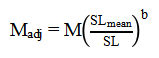
where Madj is the size-adjusted morphometric measurement, (M) is the observed measurement, (SL) is the standard length of the individual fish, SLmean is the observed mean standard length of the corresponding species used as the reference size, and (b) is the species-specific allometric coefficient obtained from the regression of the log-transformed morphometric measurement against log-transformed standard length. Thus, the adjustment was species-specific, with each species standardised to its own observed mean standard length rather than to a single reference length applied across all three species.
The reference standard length was based on the observed mean SL of each species. For Lutjanus agennes, the mean standard length was 28.8642 cm, with an observed range of 12.90-45.60 cm (n = 405). For Pseudotolithus senegalensis, the mean standard length was 36.5891 cm, with an observed range of 26.00-48.50 cm (n = 405). For Polydactylus quadrifilis, the mean standard length was 21.2689 cm, with an observed range of 11.00-68.00 cm (n = 405). Therefore, the reference length was species-specific and was not a common standard length applied across the three species.
The use of the observed species-specific mean standard length provided a common size basis within each species while retaining the size distribution represented by the sampled specimens. The adjusted measurements were consequently centred on the observed mean size of each species rather than on an arbitrarily selected body size. This approach reduced the influence of allometric size differences while preserving the proportional characteristics of the sampled fish.
The adequacy of the size adjustment was assessed by examining the relationship between each size-adjusted morphometric variable and standard length. A negligible or non-significant residual relationship was interpreted as evidence that the influence of overall body size had been adequately reduced. This assessment was performed after transformation to determine whether systematic size-related variation remained in the adjusted morphometric variables.
Total length (TL) was excluded from the PCA and CDA predictor set because SL was selected as the reference measure of overall body size. Total length incorporates the caudal-fin region and is closely related to the same general size dimension being controlled in the analysis. Its inclusion after standardisation could therefore provide limited additional information on body proportions and introduce redundancy among the morphometric variables. The analysis consequently focused on morphometric characters representing body, head, and fin proportions relative to SL.
The size standardisation itself did not require extrapolation to an arbitrarily selected body size outside the sampled populations because the reference value for each species was its observed mean SL. The mean reference lengths of 28.8642 cm for L. agennes, 36.5891 cm for P. senegalensis, and 21.2689 cm for P. quadrifilis were all located within their respective observed size ranges. However, the three species did not have completely overlapping size ranges. L. agennes ranged from 12.90 to 45.60 cm, P. senegalensis from 26.00 to 48.50 cm, and P. quadrifilis from 11.00 to 68.00 cm. Consequently, the size-adjusted values should be interpreted as comparisons of body proportions after accounting for species-specific allometric scaling rather than as direct comparisons of fish measured at an identical observed body size across the entire size range.
All regression coefficients used in the adjustment were estimated independently for each species from the 405 specimens available for that species. The resulting size-adjusted morphometric variables were subsequently used for the comparative multivariate analyses.
2.5 Statistical analysis of adjusted morphometric characters
Morphometric and meristic differentiation between three fish species, Lutjanus agennes, Pseudotolithus senegalensis and Polydactylus quadrifilis sampled from three estuaries of Niger Delta (Benin, Brass and Escravos) were assessed by using a comparative cross-sectional sampling design. In each of the three estuaries all three species were collected and so a representation of all species at the sample locations was obtained. A total of 405 specimens per species were used for morphometric measurements, and 60 specimens per species were used for meristic characters.
Allometric relationships were first found for each species and then used to size adjust the measurements for morphometric comparisons. Lastly, the species were compared with respect to the adjusted morphometric variables using Welch’s ANOVA because the homogeneity-of-variance assumption was not satisfied. Games-Howell between pair comparisons were conducted for significant overall differences. The within-species variation was analysed by the principal components analysis for each species and the contribution of morphometric characters in the within-species variation was evaluated. Canonical discriminant analysis (CDA) was used to assess the multivariate ability to discriminate among the three species. The Kruskal-Wallis test was used to compare the meristic characters among species and Dunn's post hoc test and Bonferroni corrections were used when significant differences were found.
2.6 Principal component analysis
The adjusted morphometric characters were used for the principal component analysis. The suitability of the dataset for PCA was assessed using the Kaiser-Meyer-Olkin (KMO) measure and Bartlett’s test of sphericity. Components with eigenvalues greater than 1 were retained. To facilitate the interpretation of the loadings on the components, varimax rotation and Kaiser normalisation were used. Component scores were calculated for each species and used to visualise within-species morphometric variation.
2.7 Canonical discriminant analysis
The species was used as the grouping variable, and ten size-adjusted morphometric characters: pre-anal length (PAL_ADJ), pre-dorsal length (PDL_ADJ), length of dorsal fin (DFL_ADJ), depth of the head (HD_ADJ), depth of body (BD_ADJ), length of the head (HL_ADJ), length of the pectoral fin (PFL_ADJ), length of the anal fin (AFL_ADJ), length of the caudal fin (CFL_ADJ) and diameter of the eye (ED_ADJ) were used as predictor variables. Eigenvalues, canonical correlations and structure coefficients were used to evaluate the discriminatory contribution of the canonical functions, group centroids were used to examine the relative positions of the three species in the discriminant space and the discriminatory contribution of the canonical functions was evaluated using structure coefficients.
Prior to CDA each morphometric character was standardised separately for each species, using the species-specific allometric coefficient, and the actual mean standard length of the entire data set for each species. Size-adjusted measurements were used as predictors in the CDA. The classification performance was evaluated using the original classification and leave-one-out (LOO) cross-validation was used to evaluate the classification performance. Pre-standardised data sets were used to estimate allometric coefficients and species-specific reference mean standard lengths for the species, prior to cross-validation, and these were not re-estimated during each iteration of the LOO, making the LOO results an internal assessment of the consistency of the classifications in the present data set, and not an independent estimate of the predictive performance for new specimens. The 100% classification rate reported does not therefore provide an independent estimate of the predictive performance of the set for unknown specimens: the size adjustment parameters would have to be estimated independently of the 100% classification rate.
2.8 Meristic analysis
A total of nine meristic characters were counted - dorsal spines, dorsal soft rays, anal spines, anal soft rays, scales in the lateral line, pectoral rays, pelvic rays, caudal rays, and gill rakers. Dorsal and anal soft rays were counted separately from the corresponding spines. A standard procedure was followed when counting gill rakers on the first gill arch of all specimens. Pelvic rays were recorded as a separate meristic character.
Meristic characters were compared among Lutjanus agennes, Pseudotolithus senegalensis and Polydactylus quadrifilis using the Kruskal-Wallis H test. Significant overall differences were found and pairwise comparisons were then made for the three possible species-pair comparisons, with Bonferroni-adjusted significance levels. Characters with no within-species variation were described but not tested inferentially. Homogeneous groups were identified for characters having a high pairwise difference, and the values sharing a letter were assumed not to be significantly different while values with different letters were significantly different at p < 0.05.
3 Results
3.1 Species-specific allometric relationships
Allometric regressions showed strong relationships between standard length and the measured morphometric characters in all three species. All regression models were statistically significant (p < 0.001).
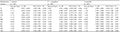
Allometric coefficients for Lutjanus agennes ranged from 0.840 to 1.002, with R² values ranging from 0.853 to 0.998. For Pseudotolithus senegalensis, the coefficients ranged from 0.624 for eye diameter to 1.056 for pre-anal length, with R² values ranging from 0.744 to 0.984. For Polydactylus quadrifilis, the coefficients ranged from 0.987 to 1.012, with R² values ranging from 0.968 to 0.999. The species-specific allometric coefficients, 95% confidence intervals, and coefficients of determination for the measured morphometric characters are presented in Table 1.
|
Table 1 Species-specific allometric relationships between standard length (SL) and morphometric characters of the three estuarine fish species Note: Total length (TL), standard length (SL), body depth (BD), head depth (HD), caudal-fin length (CFL), head length (HL), pre-dorsal length (PDL), pre-anal length (PAL) and anal-fin length (AFL) are measured from the tip of the bill to the tip of the tail, while the eye diameter (ED), pectoral-fin length (PFL), dorsal-fin length (DFL) and anal-fin length (AFL) are measured from the tip of the bill to the tip of the fins. A log-log allometric relationship, log(Y) = log(a) + b log(SL), was estimated. Allometric slope values (b) are reported on the natural-log scale; SE = standard error of the slope; CI = 95% confidence interval; R² = coefficient of determination. All regression relationships were significant at p < 0.001
|
3.2 Species differences in adjusted morphometric characters
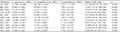
Following size adjustment, all eleven morphometric characters differed significantly among the three species (p < 0.001). The largest differences were observed for adjusted total length, pre-anal length, pre-dorsal length and dorsal fin length. Games-Howell comparisons showed significant differences between every species pair for all adjusted characters.
Pseudotolithus senegalensis recorded the highest adjusted values for TL, HD, CFL, PDL, PAL and DFL. Lutjanus agennes recorded the highest adjusted values for BD, HL, ED, PFL and AFL, whereas P. quadrifilis recorded the lowest mean values for all adjusted morphometric characters. The mean values and standard deviations of the size-adjusted morphometric characters, together with the Welch's ANOVA results and pairwise comparisons, are summarized in Table 2.
|
Table 2 Size-adjusted morphometric characters of the three fish species Note: Values are presented as mean ± SD and are expressed in centimetres (cm). The sample size was n = 405 for each species. The reference standard lengths were 28.8642 cm for L. agennes, 36.5891 cm for P. senegalensis, and 21.2689 cm for P. quadrifilis. Thus, size adjustment was performed separately within each species using its observed mean standard length as the reference rather than a single reference length across species. Welch's ANOVA was used to test differences among species; Welch F statistics are reported with numerator and denominator degrees of freedom (df1, df2), respectively. Within each row, means with different superscript letters (ᵃ, ᵇ, ᶜ) differ significantly according to the Games-Howell post hoc test (p < 0.05), whereas means sharing the same superscript letter are not significantly different |
3.3 Principal component analysis
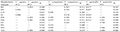
The ten size-adjusted morphometric characteristics were analysed through principal component analysis (PCA) for each species separately: Lutjanus agennes, Pseudotolithus senegalensis and Polydactylus quadrifilis. Sampling adequacy varied among species. The Kaiser-Meyer-Olkin (KMO) measure for L. agennes was 0.513 and Bartlett's test of sphericity was significant, χ²(45) = 343.138, p < 0.001, indicating that the correlation matrix differed from an identity matrix; however, the KMO value indicated marginal sampling adequacy. The eigenvalues of the five components found were greater than 1 and accounted for 62.719% of the total variance. PC1 and PC2 explained 18.368% and 12.309% of the variance respectively. Following Varimax rotation, PC1 had high loadings with HD_ADJ (0.914) and HL_ADJ (0.908); and PC2 had high loadings with PAL_ADJ (0.665) and AFL_ADJ (0.602).
For P. senegalensis, the KMO value was 0.789 and Bartlett's test was significant, χ²(45) = 395.974, p < 0.001. Two components with eigenvalues greater than 1 were retained, together explaining 37.033% of the total variance. The eigenvalues of PC1 and PC2 were 2.595 and 1.108, respectively, and the percentages of the variance accounted for were 25.955% and 11.078%, respectively. Following Varimax rotation, PC1 showed stronger loadings for PFL_ADJ (0.632), CFL_ADJ (0.606), DFL_ADJ (0.600), and AFL_ADJ (0.492), whereas PC2 was mainly associated with ED_ADJ (0.626), HD_ADJ (0.593), and PAL_ADJ (0.553).
The KMO measure for P. quadrifilis was 0.638 and Bartlett's test of sphericity was significant, χ²(45) = 126.805, p < 0.001. Four components with eigenvalues greater than 1 were retained, explaining 49.134% of the total variance. The eigenvalues of the PC1 and PC2 were 1.745 and 1.092, respectively, with 17.453% and 10.918% of the variance explained, respectively. Following Varimax rotation, PC1 had high loadings for HD_ADJ (0.697), BD_ADJ (0.677) and HL_ADJ (0.649), while PC2 had high loadings for ED_ADJ (0.748), AFL_ADJ (0.606), DFL_ADJ (0.586) and PAL_ADJ (0.503). The species-specific rotated component loadings and communalities are summarized in Table 3. The corresponding species-specific PCA scatter plots are shown in Figure 1.
|
Table 3 New ICT based fertility management model in private dairy farm India as well as abroad |
|
Figure 1 Species-specific PCA scatter plots based on size-adjusted morphometric characters of Lutjanus agennes, Pseudotolithus senegalensis and Polydactylus quadrifilis |

3.4 Canonical discriminant analysis
The group centroids were clearly separated. P. senegalensis had the highest Function 1 centroid (12.210), P. quadrifilis had the lowest (-14.773), and L. agennes occupied an intermediate position (2.563). On Function 2, L. agennes had the highest centroid (8.014).
The original discriminant classification correctly classified all 1,215 specimens (100%), with all individuals assigned to their respective species. The LOO procedure also correctly classified all 1,215 specimens in the pre-standardised dataset (100%). Because the allometric coefficients and species-specific reference mean standard lengths were estimated from the complete species datasets before cross-validation and were not re-estimated within each LOO iteration, the LOO classification rate should not be interpreted as a fully independent estimate of predictive performance for new specimens. The structure coefficients of the canonical discriminant functions are presented in Table 4. The group centroids of the three fish species on the two canonical discriminant functions are summarized in Table 5. The distribution of individual specimens in the canonical discriminant space is illustrated in Figure 2.
|
Table 4 Structure coefficients of the canonical discriminant functions |

|
Figure 2 Canonical discriminant plot showing the distribution of the three fish species based on size-adjusted morphometric characters |

3.5 Meristic differentiation
Counts of dorsal soft rays, anal soft rays, lateral-line scales, pectoral rays, caudal rays, and gill rakers differed significantly among species (Kruskal-Wallis test, p < 0.001). No within-species variation was found in dorsal-spine, anal-spine, or pelvic-ray counts; these were therefore reported as constant within each species. Dunn's post hoc procedure with Bonferroni adjustment was used for pairwise comparisons after significant Kruskal-Wallis tests. The three possible pairwise comparisons among species were performed for each meristic character using the Bonferroni correction. Values reported in Table 5 are presented as mean ± standard deviation (SD); the Kruskal-Wallis test was based on ranked observations rather than the means reported. Superscript letters represent the adjusted pairwise comparisons: values sharing the same superscript letter were not significantly different, whereas values with different letters were significantly different after Bonferroni adjustment. L. agennes and P. quadrifilis did not differ significantly in pectoral-ray, caudal-ray, or gill-raker counts, as indicated by the shared superscript letters.
4 Discussion
4.1 Allometric relationships and size-adjusted morphometric characters
The species-specific relationships in Table 1 show that the magnitude of scaling varied among morphometric characters and species. The majority of characters had high coefficients of determination values meaning that standard length accounted for a substantial proportion of the variation in the majority of characters. For P. senegalensis, eye diameter had a relatively weak scaling whereas total length, pre-dorsal length, pre-anal length and some fin measurements had a strong scaling with the standard length. The variation in the allometric exponents suggests that the bodies of Lutjanus agennes, P. senegalensis and Polydactylus quadrifilis were not similarly scaled. Famoofo and Abdul (2020) reported similar differences in morphometric relationships among 16 species of fish in the freshwater ecotype of Lekki lagoon. Kumari et al. (2020) also observed significant morphometric and meristic differences between the congeneric sciaenids (O. cuvieri and O. ruber). Furthermore, Mahe et al. (2024) found variations in growth pattern of Pseudotolithus species in the West African region. These findings justify the use of species-specific coefficients in the present study, instead of using a common scaling coefficient for all three species.
The differences in size-adjusted morphometric characters shown in Table 2 indicate that the observed variation was not attributable to body size alone. The 11 adjusted morphometric characters were all found to be significantly different among the three species, and the Games-Howell comparisons also revealed that all species pairs were found to be significantly different. There was a higher adjusted value for several characters taken along the length of the body and for the fins for Pseudotolithus senegalensis, whereas Polydactylus quadrifilis had a lower value for most of the measured characters. This pattern is similar to those found by Kumari et al. (2020) who were able to separate congeneric sciaenid species using morphometric characters. Morphological discreteness was also observed between the estuarine croaker Pseudotolithus elongatus by Asuquo and Ifon (2022) which showed that measurable body form can distinguish closely related estuarine fishes. Damora et al. (2025) also found that geometric morphometric and meristic characters were able to show the body shape variation among populations of Anabas testudineus. The present results thus suggest that species identity was still highly correlated with body proportions even when the effects of standard length were taken into account.
The peculiar status of Lutjanus agennes when the new morphometric comparisons were implemented is also corroborated by the study of Ewhuwhe Ezo et al. (2024) which described the L. agennes of the Escravos and Qua Iboe estuaries based on morphological characters and DNA barcoding. Their study illustrated the usefulness of morphological characters in distinguishing and characterizing the African red snapper in Nigerian estuarine environments. Eriegha et al. (2024) also noted that, when viewed from different estuaries along the Gulf of Guinea, there were some morphological differences among samples of the Ethmalosa fimbriata, indicating the potential of comparative morphometric evaluation for detecting spatial morphological variation in estuarine fishes. The morphometric and meristic characters were also used to characterize Bagrus bayad from northeastern Nigeria by Nyaku et al. (2026). The fact that there were significant differences after size adjustment in the present study offers a quantitative basis for distinguishing L. agennes from P. senegalensis and P. quadrifilis.
4.2 Species differences in size-adjusted morphometric characters
The size-adjusted morphometric measurements gave good separation between Lutjanus agennes, Pseudotolithus senegalensis and Polydactylus quadrifilis. Welch’s ANOVA procedure revealed significant differences for each of the 11 adjusted morphometric characters (p < 0.001); Games-Howell procedure revealed that there was significant difference among each species pair (Table 2). The magnitude of the differences was particularly pronounced for adjusted total length, pre-anal length, pre-dorsal length and dorsal fin length. Among the adjusted measurements, P. senegalensis scored the highest values for all measurements except body depth, head length, eye diameter, pectoral fin length and anal fin length, which were higher in L. agennes. P. quadrifilis had the lowest value for all the adjusted measurements (Table 2). These differences were apparent after the adjustment for standard length, and, therefore, suggest differences in body proportions rather than variations due to size alone.
This is in line with previous morphometric evidence of estuarine fishes. It was reported by Eriegha et al. (2024) that morphometric characteristics like standard length, dorsal fin base and caudal peduncle length varied significantly between populations of E. fimbriata from Qua Iboe, Escravos and Lagos Lagoon, suggesting that these characteristics can differ between populations of fish from different estuarine systems. Their finding focused on geographic differences in body size, whereas the present analysis shows that body size could be statistically accounted for and that there was still some differentiation between the three species. This distinction is important as the significant differences in Table 2 cannot be explained by simply the difference in the overall size of individuals. Rather, the uniform separation of all the adjusted characters suggests species-specific differences in body configuration.
A similar discriminatory value of morphometric characters has been reported for closely related fishes. Kumari et al. (2020) concluded that congeneric sciaenids Otolithes cuvieri and O. ruber could be distinguished by morphometric and meristic characters; however, only a few characters are necessary for good separation. In the present results, the same is true for three estuarine species of different taxonomic groups, with all 11 size-adjusted morphometric variables giving significant differences between species. The significant pairwise differences identified by the Games-Howell procedure provide more specific information about which species pairs differed than the overall omnibus test alone.
The present findings are comparable with the report of morphological differentiation in the Cross River estuary for P. elongatus. Asuquo and Ifon (2022) found that fish sampled from estuary islands and estuary mouth can be divided into two main groups, based on the first two principal components, which explained 85.6% of the total variation and correctly classified 66.0% of the specimens using the discriminant analysis. They found that size-adjusted morphometric measurements were able to identify structural variations between estuarine groups. In the present study, all adjusted morphometric characters differed significantly among species, and the post hoc comparisons separated all species pairs (Table 2).
4.3 Principal component analysis
Species-specific principal component analyses described the major sources of within-species morphometric variation. For L. agennes, five components with eigenvalues > 1 explained 62.719% of the variance; PC1 was mainly related to adjusted head depth and head length, whereas PC2 was mainly related to adjusted pre-anal length and anal fin length. For P. senegalensis, two components explained 37.033% of the variance; pectoral fin length, caudal fin length and dorsal fin length contributed most to PC1, whereas eye diameter, head depth and pre-anal length contributed most to PC2. For P. quadrifilis, four components explained 49.134% of the variance; head depth, body depth and head length had the strongest loadings on PC1, whereas eye diameter, anal fin length, dorsal fin length and pre-anal length contributed most to PC2 (Table 3).
The species-specific PCA plots illustrate within-species morphometric variation (Figure 1). Because PCA was conducted separately for each species, the three plots should be interpreted as separate descriptions of variation rather than as a common ordination showing interspecific separation. The results are consistent with the use of PCA to describe morphometric variation in estuarine fish populations reported by Asuquo and Ifon (2022).
Taken together, the univariate comparisons, species-specific PCA results and canonical discriminant analysis show that the three species differ in body and fin proportions. The PCA results describe how the relative contribution of these traits varies within each species, whereas the discriminant analysis provides the direct multivariate comparison among species (Tables 2-5; Figures 1; Figure 2).
4.4 Canonical discriminant analysis
Canonical discriminant analysis provided an additional multivariate assessment of separation among the three species. Table 4 shows that PAL_ADJ, PDL_ADJ, DFL_ADJ and HD_ADJ contributed most strongly to Function 1, whereas PFL_ADJ, AFL_ADJ, ED_ADJ, BD_ADJ and HL_ADJ contributed more strongly to Function 2. These variables therefore contributed to the observed interspecific discrimination.
The group centroids in Table 5 show clear separation among the three species. P. senegalensis had the most positive centroid on Function 1, P. quadrifilis had the most negative centroid on Function 1, and L. agennes was separated primarily on Function 2. This pattern is consistent with the canonical discriminant plot (Figure 2) and indicates that the sampled species occupied distinct positions in the discriminant space. Similar applications of multivariate morphometric measurements have been reported for fish groups by Ivanova et al. (2024) and Gonzalez-Martinez et al. (2020).
|
Table 5 New ICT based fertility management model in private dairy farm India as well as abroad |
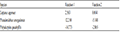
The classification results support the discriminatory ability of the measured characters within the sampled dataset. Both the original classification and leave-one-out classification on the pre-standardised dataset correctly classified all sampled specimens. However, because the species-specific allometric coefficients and reference mean standard lengths were estimated from the complete datasets before the LOO procedure, the 100% classification rate represents classification consistency within the present pre-standardised dataset rather than independent predictive performance for unknown specimens. These results indicate that the selected morphometric variables distinguished the sampled individuals of the three species; however, the classification accuracy should be interpreted within the context of the present samples and should not be generalised to all populations of the three species.
4.5 Canonical discriminant plot
Figure 2 graphically presents the canonical discriminant scores of the three species. The groups showed minimal overlap, consistent with the separation of the group centroids in Table 5. The plot provides a visual summary of the multivariate differences among the sampled species.
4.6 Meristic differentiation
Meristic characters provided an additional basis for distinguishing the three species. Dorsal soft rays, anal soft rays, lateral-line scales, pectoral rays, caudal rays and gill rakers differed significantly among species (Table 6). These results complement the morphometric findings because meristic characters are countable anatomical traits. Similar use of morphometric and meristic characters for fish discrimination has been reported for sciaenids and other fish groups (Kumari et al., 2020; Scott et al., 2020; Nyaku et al., 2026).
|
Table 6 Meristic differentiation among the three species Note: Meristic data are presented as mean ± standard deviation because median and interquartile range (IQR) were not recorded or calculated during the original analysis. H = Kruskal-Wallis test statistic; p = significance level. Different superscript letters within a row indicate significant pairwise differences following Dunn’s post hoc test with Bonferroni adjustment, whereas shared superscript letters indicate no significant pairwise difference. The Bonferroni correction was applied to the three pairwise comparisons among species for each character. Pelvic-ray counts refer to soft rays and exclude pelvic spines. n = 60 specimens per species. |
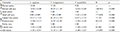
The meristic profile of L. agennes can also be considered alongside the characterisation reported by Ewhuwhe Ezo et al. (2024), who combined morphological identification with DNA barcoding for specimens from the Escravos and Qua Iboe estuaries. In the present study, L. agennes differed from the other two species in several meristic characters. Together, these observations support the usefulness of comparative morphological characters for describing Nigerian estuarine fishes.
5 Conclusion
This study provides quantitative evidence of the difference in morphometric and meristic characteristics of the three species, Lutjanus agennes, Pseudotolithus senegalensis and Polydactylus quadrifilis sampled from the Benin, Brass, and Escravos estuaries of the Niger Delta. Allometric analysis was done for each species to obtain the appropriate size adjustment relationship, and then all 11 morphometric characters exhibited statistically significant interspecific differences. The Games-Howell comparisons revealed significant differences between all three species for all the adjusted morphometric characters with notable differences occurring in the pairwise comparisons of all three species, thus the observed interspecific differences were expressed consistently in all the body and fin proportions measured. L. agennes recorded higher adjusted values for body depth, head length, eye diameter, pectoral-fin length, and anal-fin length, whereas P. senegalensis recorded higher values for total length, head depth, caudal-fin length, pre-dorsal length, pre-anal length, and dorsal-fin length. P. quadrifilis generally showed the lowest adjusted values.
The study also shows that the characters contributing to the variation were not identical in the three species. Within-species variation was determined by PCA, which resulted in different combinations of characters being important for each species, and by CDA, which demonstrated clear multivariate separation among the three species based on combined size-adjusted morphometric characteristics. The pre-anal length and pre-dorsal length, dorsal fin length and head depth were the most important for the first discriminant function, while pectoral fin length, anal fin length, eye diameter, body depth and head length were more important for the second function. Each of the original and LOO classification procedures resulted in a 100% correct classification in the present pre-standardised data set, but this was in the context of correctly classifying data points from the same data set rather than predicting which data points from an unknown data set they would classify correctly.
Species-level evidence also came from meristic data which showed significant interspecific differences in dorsal soft rays, anal soft rays, lateral-line scales, pectoral rays, caudal rays, and gill rakers, with dorsal-spine, anal-spine, and pelvic-ray counts constant within each species in the sampled specimens. The present study integrated species-specific allometric adjustment, univariate morphometric comparison, species-specific PCA, multivariate discrimination and meristic characters to describe the morphological variation in these three estuarine fishes.
Combined, these data provide a quantitative morphological baseline for L. agennes, P. senegalensis and P. quadrifilis in the estuarine systems sampled in the Niger Delta and identify specific morphometric and meristic characters that can be used for comparative species characterisation and identification. Because the analyses were carried out using fish from the sampling sites described here, the results are applicable only to the sampled populations and should not be extrapolated to other populations without broader geographic sampling and further validation.
Author Contributions
Akpomughe E. designed and conceived the study, sampled and collected the specimens in the field, assisted in data collection, identified the species, coordinated the statistical analysis, interpreted the results and prepared the original manuscript. O.F. Nwachi participated in study design, field sampling and collection of the specimens, morphometric and meristic measurements, data interpretation and critical revision of the manuscript. J.K. Ekelemu participated in the design of the study and supervision, sampling in the field and species identification, interpretation of results and critical review and editing of the manuscript. The manuscript has been read and approved by all authors and each author agrees to be accountable for all aspects of the work.
Acknowledgements
The authors would like to express their appreciation to the field assistants and persons who helped in the collection, handling, measurement and identification of fish specimens during the study. Their cooperation and assistance in sampling operations in the estuaries of Benin, Brass and Escravos are gratefully acknowledged. The authors appreciate the support of all who helped to complete the field and laboratory activities of this study.
Asuquo P.E., and Ifon H.T., 2022, Morphological discreteness of the estuarine croaker Pseudotolithus elongatus (Teleostei: Sciaenidae), Journal of Fish Biology, 100(3): 619-624.
da Costa L.M., Maia H.A., and Almeida A.J., 2022, The fishes of the Gulf of Guinea oceanic islands, Biodiversity of the Gulf of Guinea Oceanic Island, Science and Conservation, 2022: 431-478.
Damora A., Afrisal M., Wibowo K., Nur F.M., and Haryono H., 2025, Landmark based geometric morphometric and meristic analysis of body shape variation among Indonesian climbing perch Anabas testudineus (Bloch, 1792) populations, The European Zoological Journal, 92(1): 454-466.
Dolo O., Kondiano S.G., Camara R.H., Diallo I., Sangare A., and Traore L., 2026, Assessment of the nutritional value of fresh Polydactylus quadrifilis and Galeoides decadactylus sold at the Bonfi Market in the Republic of Guinea, Food and Nutrition, 17(1): 14-26.
Eriegha O.J., Ekelemu J.K., and Nwachi O.F., 2024, Comparative morphology of Ethmalosa fimbriata (Bowdich, 1825) from three estuaries adjoining the Gulf of Guinea, Nigeria, Ilmu Kelautan: Indonesian Journal of Marine Sciences, 29(2): 211.
Ewhuwhe Ezo J., Eriegha O.J., and Eyo V.O., 2024, Morphological characterization and DNA barcoding of Lutjanus agennes (African red snapper) from Escravos and Qua Iboe estuaries, International Journal of Maritime and Interdisciplinary Research, 6(2): 18-31.
Famoofo O.O., and Abdul W.O., 2020, Biometry, condition factors and length weight relationships of sixteen fish species in Iwopin freshwater ecotype of Lekki Lagoon, Ogun State, Southwest Nigeria, Heliyon, 6(1).
Gonzalez-Martinez A., Lopez M., Molero H.M., Rodriguez J., González M., Barba C., and García A., 2020, Morphometric and meristic characterization of native chame fish (Dormitator latifrons) in Ecuador using multivariate analysis, Animals, 10(10): 1805.
Ivanova P.P., Zlateva I.Y., Raykov V.S., Yankova M.H., Dzhembekova N.S., Slabakova V.H., and Raev Y.R., 2024, Comparative analysis of morphometric and meristic characters of turbot Scophthalmus maximus (Linnaeus, 1758) from four sites along the Bulgarian Black Sea coast, Acta Zoologica Bulgarica, 76(1): 41-49.
Kumari S., Jaiswar A.K., Jahageerdar S., Chakraborty S.K., and Kumar T., 2020, Morphometric and meristic variation of congeneric sciaenid fishes Otolithes cuvieri Trewavas, 1974 and Otolithes ruber (Schneider, 1801) from Maharashtra, west coast of India, Indian Journal of Geo-Marine Sciences, 49(1): 80-86.
Mahe K., Ekperusi A.O., Diouf K., Munschy C., Aminot Y., Andrialovanirina N., Dussuel A., Diop M., Diop M., Ekperusi A.O., 2024, Growth assessment of croakers (Pseudotolithus species) in West African waters, Frontiers in Fish Science, 2: 1498784.
Nyaku R.E., Garba T.H., Bello A.S., Yahaya S.M., Mohammed Z., Haruna U.N., and Mohammed N., 2026, Assessment of morphometric and meristic characterization of silver catfish (Bagrus bayad) from Northeast Nigeria, Sahel Journal of Life Sciences FUDMA, 4(1): 463-472.
Scott S., Rojas P., and Vila I., 2020, Meristic and morphological differentiation of Orestias species (Teleostei; Cyprinodontiformes) from the southern Altiplano, Environmental biology of fishes, 103(8): 939-951.




. HTML
Associated material
. Readers' comments
Other articles by authors
. Akpomughe E. E.

. Nwachi O.F.
. Ekelemu J.K.
Related articles
. Fish morphology
. Allometry
. Meristic variation
. Principal component analysis
. Discriminant analysis
. Estuarine fishes
. Niger Delta
Tools
. Post a comment